AI Rap Battle Generator
An AI rap battle is three rounds on one beat. Each round answers the bar before it instead of reading from a script.
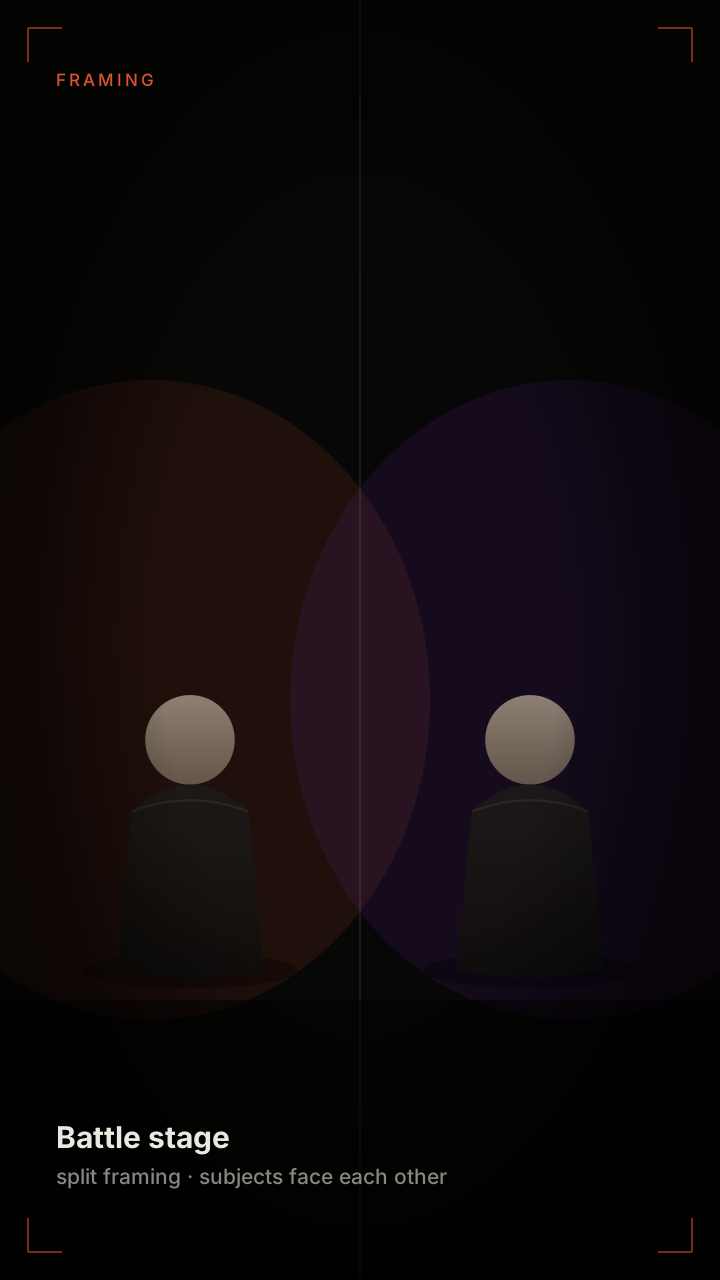 Face-off
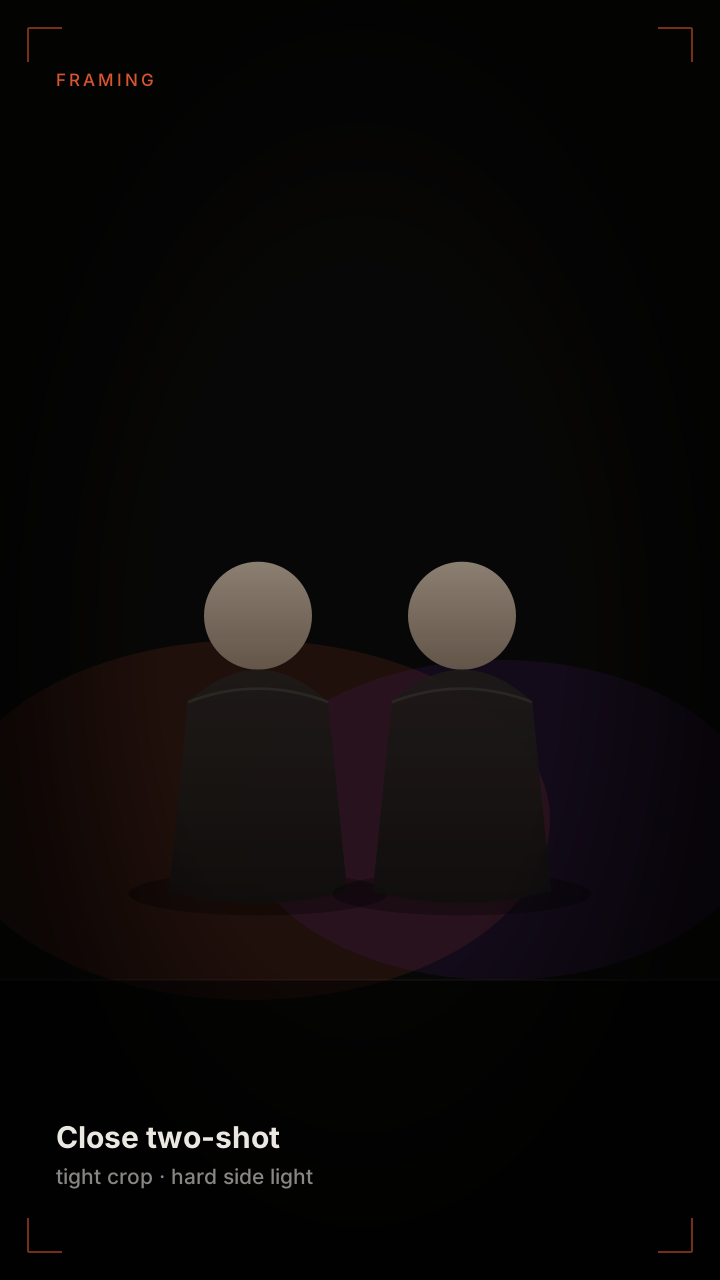 Reaction cut
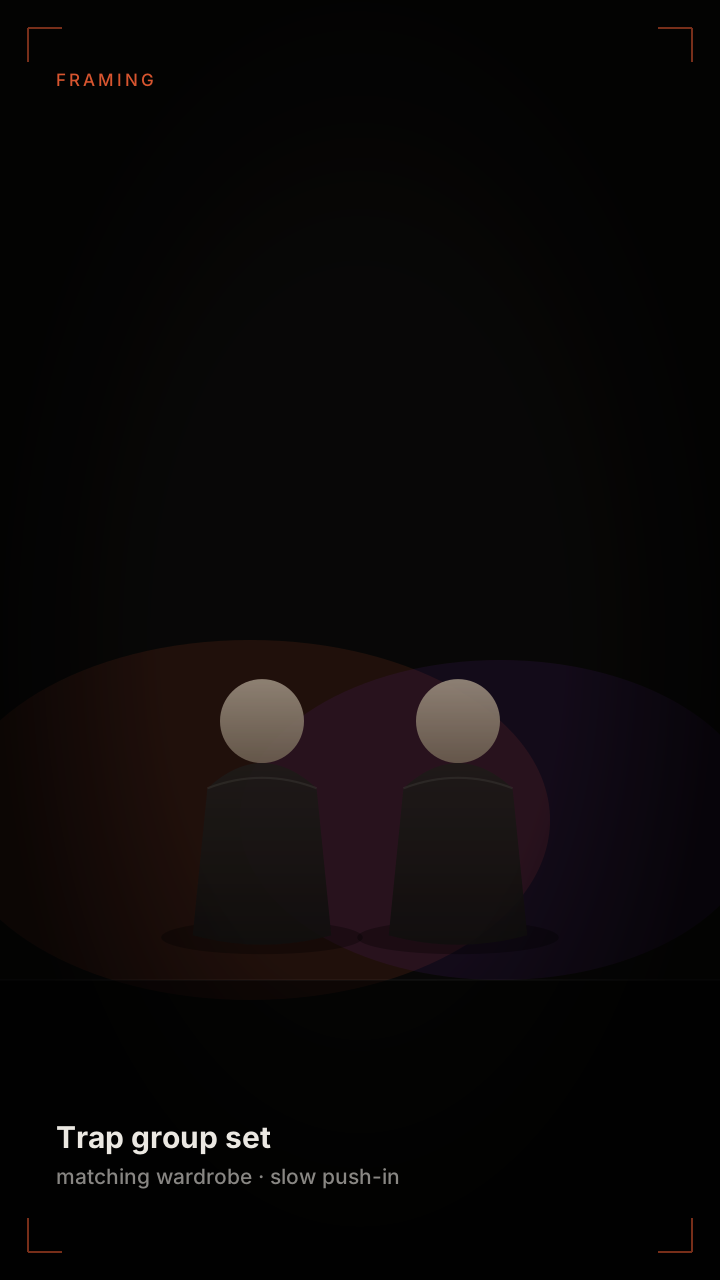 Crowd set
Why the Battle Format Outlasts the Memes
Trend formats decay. A meme is funny until the tenth version, and then it is a reminder that you are late. Battles do not have that problem, because the format is a structure rather than a joke: two people, alternating rounds, each round answering the last. It has been running since before recorded hip-hop and it survives every change in how the videos are made.
That makes it the most durable thing you can build with a two-person video tool. The staging is simple enough to render reliably, the content is generated fresh each time, and the audience does not need to have seen any previous version to follow what is happening. Those three properties are exactly what a meme format lacks.
It also solves the hardest problem in generating comedy: escalation. A single clip has to land one joke. A battle has three rounds, and each round can raise the stakes on the last, which is how the format gets a laugh on the final bar instead of only the first.
The Round Structure of an AI Rap Battle
Three rounds is the sweet spot for a short clip. Two feels unfinished because there is no comeback to the comeback; four needs more runtime than the eighteen-second ceiling allows before the pacing collapses. Within three rounds, the shape is fixed enough that the generator can write to it and flexible enough that the content stays specific.
- Round one — the opening claims. Both sides establish who they are and what they are attacking. Keep it light; the escalation has to have somewhere to go.
- Round two — the rebuttal. This is the round that decides whether the battle works. Each side has to answer a specific line from round one, not restate its own opening.
- Round three — the closer. One line that ends it, ideally by turning the opponent’s strongest point into the punchline. No new arguments in round three; the audience has stopped tracking setup.
- Ad-libs and reactions — between rounds, one beat of the opponent reacting. This is what makes it read as a battle rather than two monologues cut together.
Setting It Up
- 01
Upload two photos
One per battler, both facing camera. Battles need eyelines to read, so avoid profile shots and anything where the subject is looking away — the whole format depends on the sense that they are watching each other.
- 02
Choose the sides
Left and right, fixed for the whole clip. Alternate the camera on each round so the two never appear in the same frame during a round; the split is what makes the confrontation legible.
- 03
Write the rounds together
Generate all three rounds in one pass. Writing them separately breaks the rebuttal, because round two has to know what round one actually said.
- 04
Render the split stage
One continuous beat, cuts on the snare, a reaction beat between rounds. The render returns both sides in sync, so no manual editing is needed.
Keep both battlers fictional or consenting. A battle written about a real, named person is harassment with a beat behind it, and it will get the account closed.
What Makes a Battle Land
Specificity beats aggression every time. Two people insulting each other in general terms is boring within one round; two people referencing the same specific, trivial shared detail — a car that does not start, a group chat nobody replies in, a permanently unfinished kitchen — gets a laugh on recognition alone. The generator is instructed to work from the details you supply, so the more specific the input, the sharper the rounds.
The other rule is that the last line of each round should be the strongest, not the first. Amateur battle writing front-loads the joke and then trails off, which kills the cut. Structure each round as setup, setup, turn, punchline, and let the render cut immediately after the punchline instead of holding on the reaction.
Finally, keep the stakes low. A battle between two friends about who is worse at parking is funny. A battle about someone’s appearance, job or family is not, and it is not worth the risk of a report. The format has enough room for affectionate cruelty; use that.
FAQ
Questions people ask before uploading
How many rounds can a battle have?+
Three is the default and the best length for an eighteen-second clip. Two-round battles feel unresolved and four-round ones lose pacing at this runtime.
Does each round respond to the last one?+
Yes. Rounds are generated in a single pass so round two can answer specific lines from round one. Generating rounds separately breaks the rebuttal.
Can I battle a real person?+
Only with their consent, and only if they are an adult who is not a public figure. Uploading someone else’s photo to insult them is a reportable violation and gets the account closed.
Is this the same as the hotel lobby clip?+
No. That one is a performance format — both subjects face the camera together. A battle is a confrontation format: subjects face each other and the camera alternates sides.
Will the battle still get views after the trend passes?+
That is the point of building it. Battles are a structure rather than a meme, so they do not depend on an audience recognising a specific viral clip. They are also reusable — the same pair can battle again on a new topic.
Related pages
Keep reading
Three rounds, two faces
Upload both photos, write the first claims, and let round two do the work.
Start a battleai-rap-duo.com